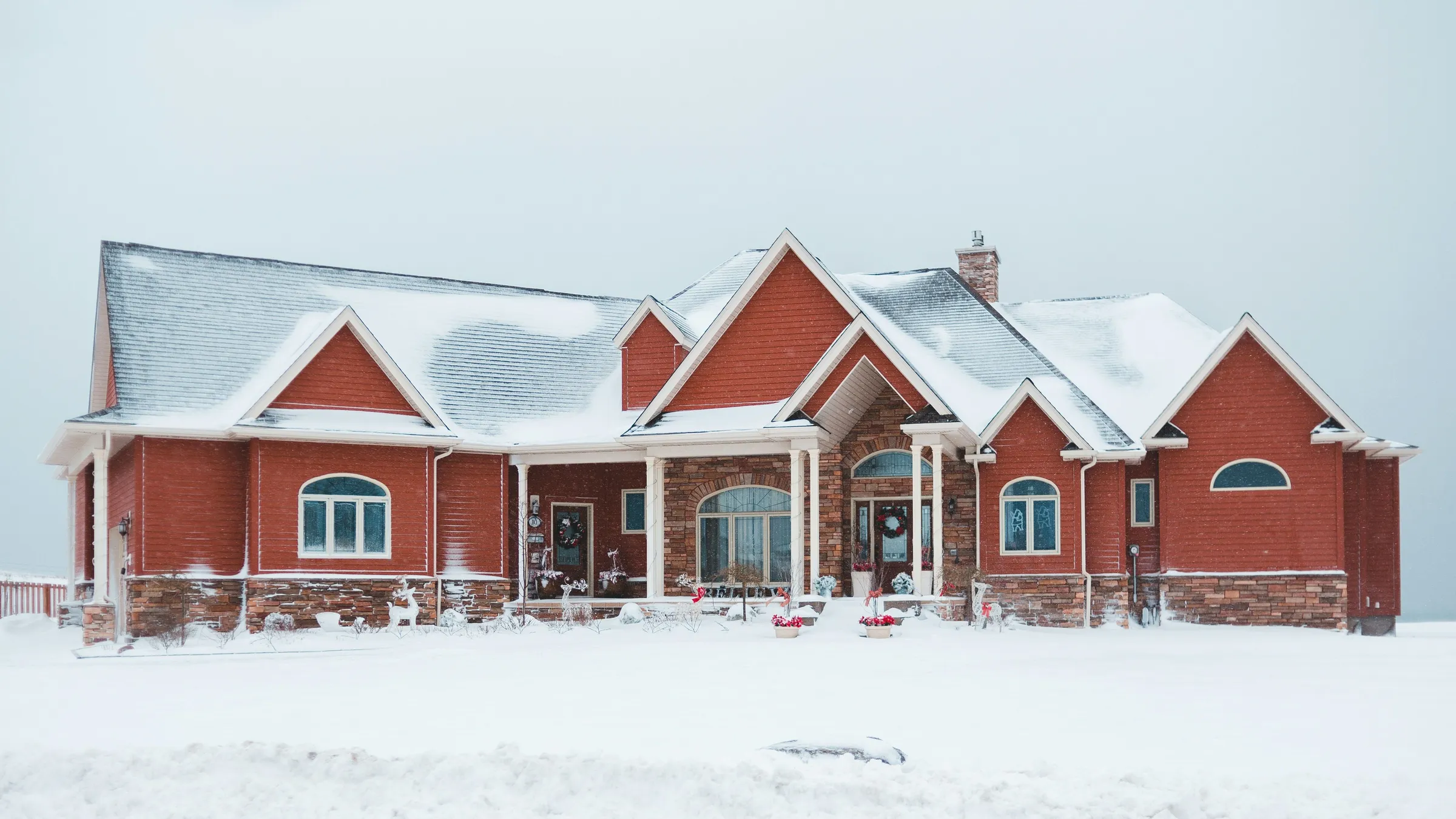
A Utah winter puts a roof through more than almost any other season. Snow piles up for weeks at a time, temperatures swing above and below freezing every day, and meltwater looks for any gap it can find. A little attention in the fall is the cheapest way to avoid a leak in January, when repairs are harder to schedule and harder to do.
Start by looking at the shingles or panels from the ground. Missing, curled, cracked or lifted shingles, bald spots where the granules have worn off, and loose screws or gaps on a metal roof all let water in once snow starts melting on top of them. Strong high-altitude sun ages shingles faster on south- and west-facing slopes, so check those first.
Flashing is the next weak point. The metal around chimneys, skylights, vents and where a roof meets a wall is where most winter leaks begin. Look for flashing that has pulled away, rusted, or is only held on with old caulk. A chimney cap and properly fitted chimney flashing keep both water and snowmelt out.
Ventilation matters more than most people think. A warm attic melts snow from below, the water runs down to the cold eaves and freezes into an ice dam, and then the next round of meltwater backs up under the shingles. Clear soffit vents and working ridge vents keep the attic closer to the outside temperature, which is one of the best defenses against ice dams.
Finally, clean out the gutters and check the downspouts. Gutters packed with leaves and needles freeze solid, hold even more ice along the edge of the roof and can pull loose under the weight. Make sure downspouts drain away from the foundation so spring snowmelt doesn't end up in your basement or crawlspace.
Not sure what shape your roof is in before the snow flies? ER Solution can inspect it, fix flashing, vents and damaged shingles, and get your gutters ready for winter. Call (385) 210-6022 for a free estimate. Se habla español.